If you have ever felt that dieting means choosing between results and feeling good, the Zone Diet offers a different perspective. Created by biochemist Dr. Barry Sears in the 1990s, the Zone Diet is not about cutting out entire food groups or obsessing over calorie totals.
Instead, it is built around a simple framework that balances the three macronutrients — protein, carbohydrate, and fat — at every meal.
The result is stable blood sugar, reduced inflammation, controlled hunger, and a metabolic state Dr. Sears calls “being in the Zone.”
What Is the Zone Diet?
The Zone Diet is a macronutrient-balanced eating plan based on the ratio:
- 40% Carbohydrates
- 30% Protein
- 30% Fat
This ratio — often written as 40-30-30 — is the foundation of every meal and snack in the diet.
Dr. Sears developed the framework after studying the relationship between food, insulin, and inflammation. His research suggests that the standard Western diet triggers hormonal imbalances that contribute to:
- weight gain
- fatigue
- chronic inflammation
- blood sugar instability
By balancing macronutrients, the Zone Diet keeps insulin within a healthier range throughout the day.
The Science Behind the 40-30-30 Ratio
Different macronutrients affect insulin differently:
- Carbohydrates cause the strongest insulin response.
- Protein causes a moderate response.
- Fat has minimal impact on insulin.
When meals are mostly carbohydrates — such as pasta, cereal, or pastries — blood sugar spikes quickly and then crashes. That crash triggers hunger again just a few hours later.
The 40-30-30 ratio moderates this cycle by combining carbs with protein and fat, producing a slower and more stable blood sugar curve.
How Zone Blocks Work
The Zone Diet includes a practical tool called the block system. Blocks make it easier to balance macronutrients without counting calories.
One Zone Block equals:
- 7 grams protein
- 9 grams carbohydrates
- 1.5 grams fat
Each meal contains an equal number of blocks from each category.
Example meal:
- 3 protein blocks
- 3 carbohydrate blocks
- 3 fat blocks
This automatically produces the 40-30-30 ratio.
What Foods Can You Eat on the Zone Diet?
Protein Sources (30%)
- Chicken breast
- Turkey breast
- Fish and seafood
- Egg whites
- Greek yogurt
- Cottage cheese
- Tofu and tempeh
- Lean beef
Carbohydrate Sources (40%)
The Zone Diet prioritizes vegetables and low-glycemic fruits.
- broccoli
- spinach
- kale
- peppers
- zucchini
- berries
- apples
- oranges
Use sparingly:
- bread
- pasta
- rice
- potatoes
Fat Sources (30%)
- olive oil
- avocado
- nuts
- almond butter
- avocado oil
Zone Diet vs Other Popular Diets
| Diet | Carbs | Protein | Fat | Main Focus |
|---|---|---|---|---|
| Zone Diet | 40% | 30% | 30% | Hormone balance |
| Keto | ~5% | 20% | 75% | Ketosis |
| Mediterranean | ~50% | 20% | 30% | Heart health |
| Paleo | Varies | Higher protein | Moderate fat | Whole foods |
Who Is the Zone Diet Best For?
The Zone Diet works well for people who:
- want to lose weight without eliminating carbs
- experience frequent hunger between meals
- have blood sugar instability
- want sustained daily energy
- prefer structured meal planning
How to Start the Zone Diet
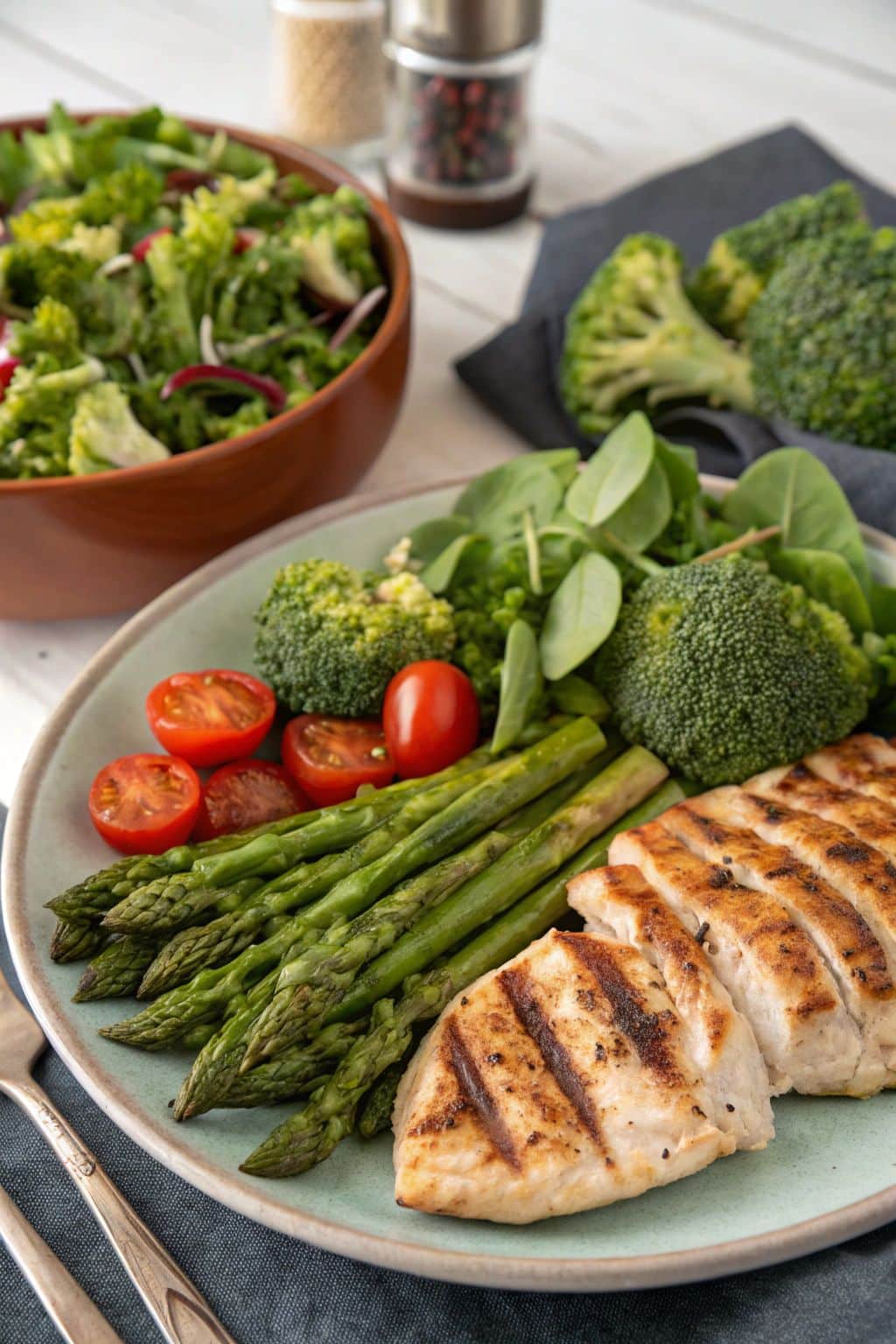
Dr. Sears recommends a simple visual approach called the plate method.
Build every meal like this:
- ⅓ of your plate: lean protein
- ⅔ of your plate: vegetables
- Add: small portion of healthy fat
Example:
- grilled chicken breast
- large salad with vegetables
- olive oil dressing
- handful of berries
This simple structure naturally produces the 40-30-30 balance.
Recommended Reading
For the full scientific explanation behind the diet, start with these books:
Final Thoughts
The Zone Diet is one of the most balanced approaches to nutrition available. Instead of extreme restriction, it focuses on maintaining hormonal balance through a simple macronutrient structure.
When meals combine protein, carbohydrates, and healthy fats in the right ratio, most people experience:
- more stable energy
- reduced cravings
- gradual weight loss
- improved metabolic health
If you are new to the diet, start with the plate method and adjust portions over time.
Once you feel comfortable, you can explore the full block system and advanced meal planning strategies.